
Showing posts with label Activities. Show all posts

Fishing! We catch fish.....but alas, we don't get to eat them.

DSC_1469

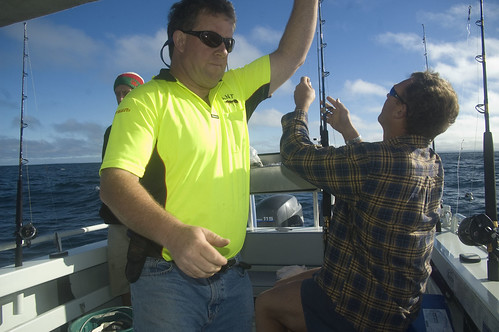
Brett Thorpe, a friend of Bruce's, took us out in his boat The Ant, the day before we left Esperance. Discovering we hadn't yet caught a fish while in Australia, he vowed to correct this anomaly, promising without doubt that we would have fish on hook in no time. A bold statement said with the conviction of an Aussie who knows fishing is Australia's biggest past time, but who is ignorant of our ability to maintain highly embarrassing fishing failures.
DSC_1471

The ride out was great, holding on tight for fear of falling out we bounced around our seats. Once we stopped the engines to fish the boat started to take a gentle roll around the sea. Unfortunately, it was this gentle rolling that brought about an irresistible urge to sleep, a sign of sea sickness, and I slept off the final half of our fishing adventure in the cabin.

DSC_1406
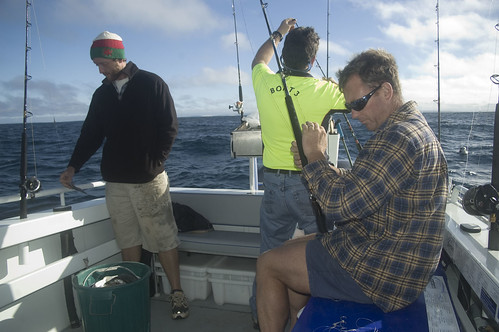
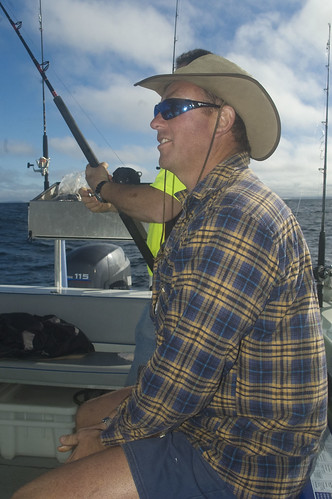
Bret Thorpe takes us fishing on The Ant

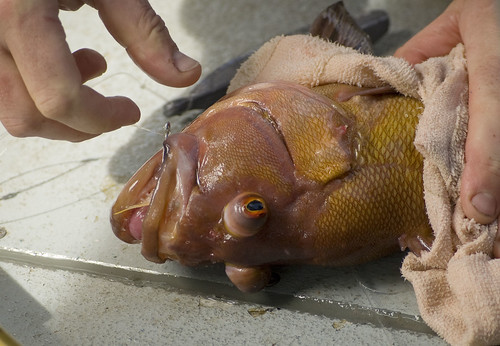
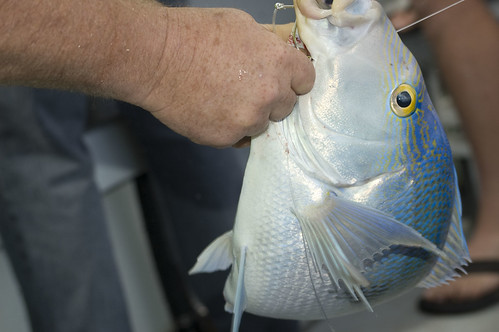
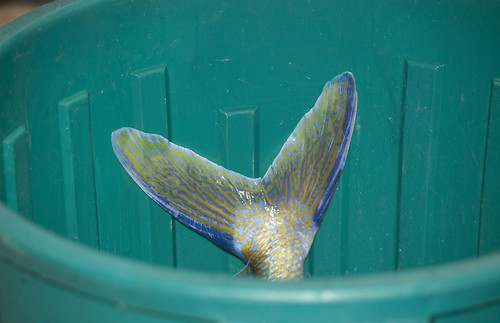
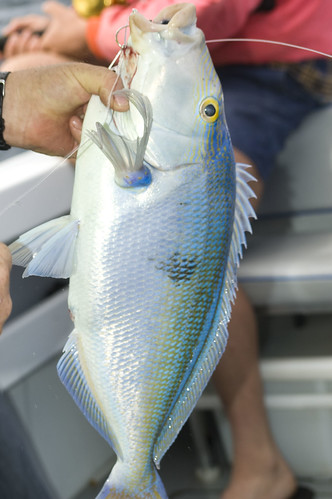
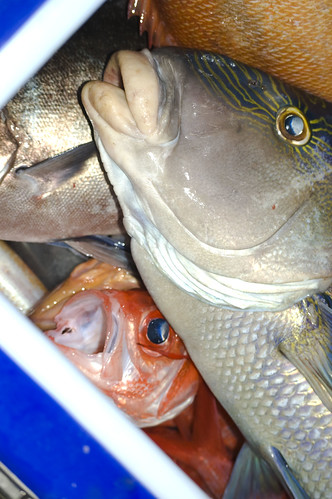
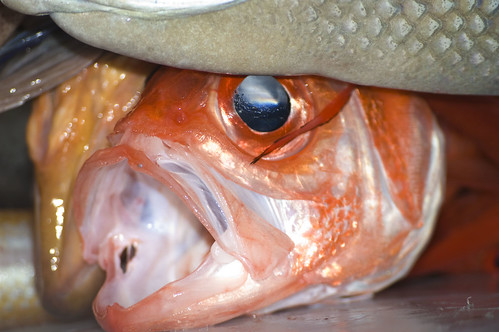
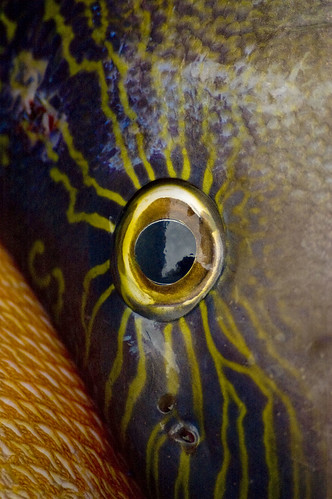
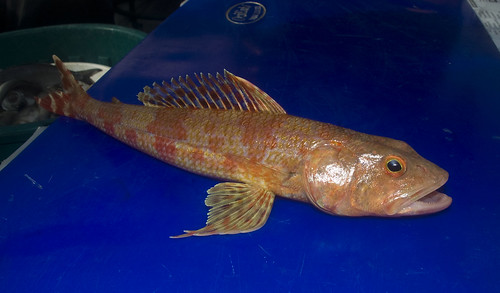
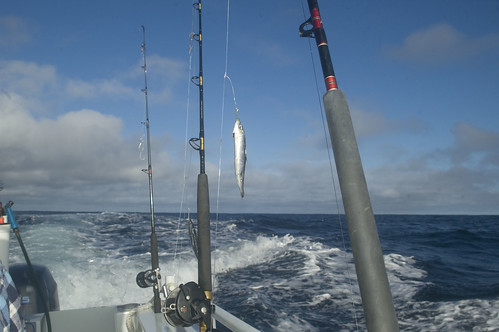
With modern equipment using sonar to locate shoals of fish we anchored up near the edge of a reef and dropped our pre baited lines in. Our first catch was hooked within seconds of our lines reaching the sea floor. We caught nannigai snapper, 'blackarse' bream, skippies, queen fish, swallow tails, and the boat pitched and rolled, and drifted, and all our previous, sad, pathetic and comedy attempts to fish, were forgotten, as Thorpie attached weights to lines, to hooks and not only actually used bait, but the proper stuff too, not just crusts of bread, and we caught fish, actually caught fish.
DSC_1426

DSC_1418

It took us just over half an hour to get to our fishing spot and we fished for just over three hours. The boys were able to relieve themselves over the side of the small boat easily, for me there was nowhere to go. I could hardly hang my bum over the side of the boat, and definitely not in such close proximity to four men who were taking up most of the available room on the deck. The bumpy ride home was painful, motoring against the wind and it took us about 90 minutes to get back. And I counted down the seconds in every one of those minutes.
DSC_1415

DSC_1444

DSC_1462

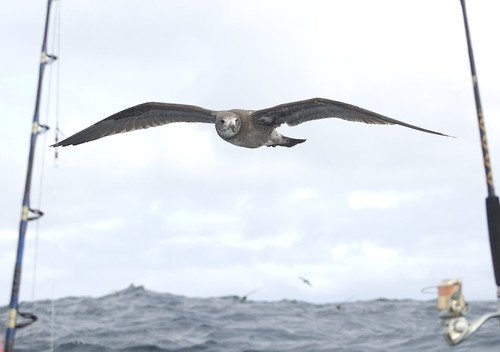
A gull hovers around the boat waiting to steal our catch
DSC_1456

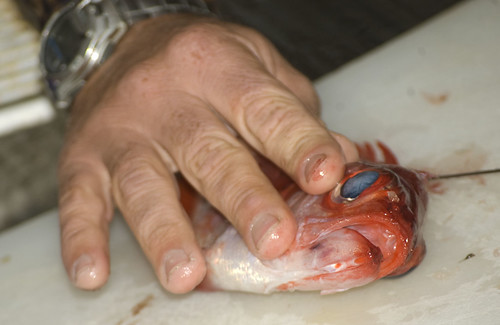
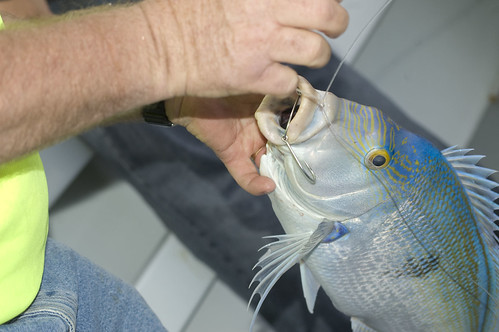
Queen snapper

DSC_1452

DSC_1460

DSC_1450

DSC_1468

DSC_1407
DSC_1438

DSC_1484

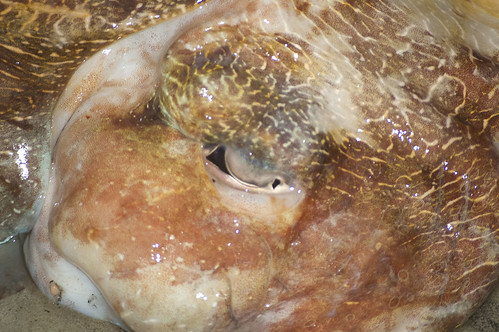
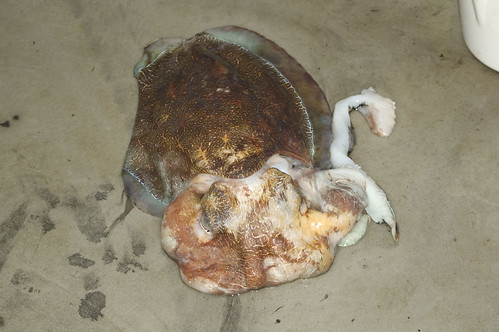
Laury catches a big cuttlefish
DSC_1483

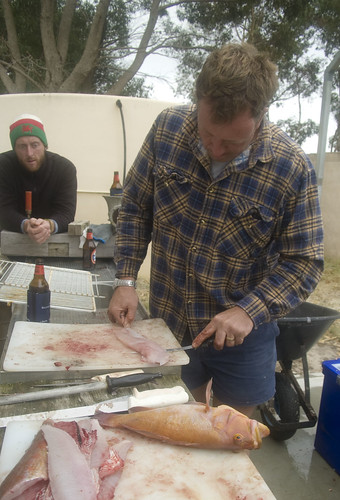
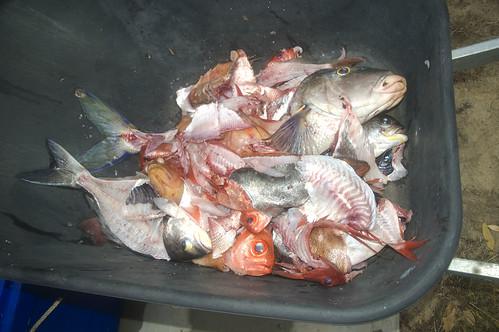
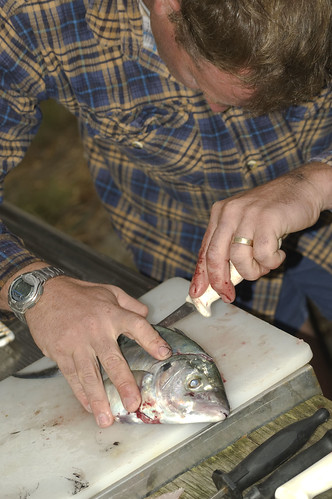
On our return to land we received a lesson in how to fillet a fish. We watched in awe as an enormous, colourful, pile of tropical fish were turned into a relatively tiny pile of neatly prepared fillets. As this was our final day in Esperance we had no time to actually eat any of the fish we caught and we couldn’t take it with us for lack of refrigeration. So, we only half fulfilled one of our dreams of catching a fish and eating it. We will simply have to go fishing again. Woo hoo!
DSC_1487

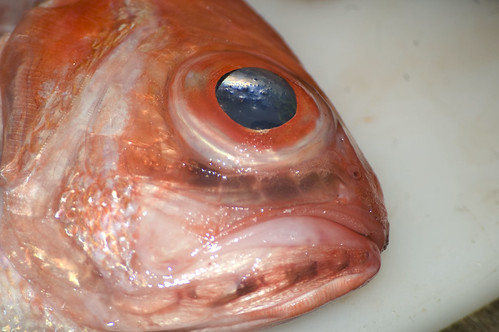
Nannigai snapper

DSC_1480

Laury is given a lesson by Bret on how to fillet different fish varieties
DSC_1482

DSC_1490

DSC_1496

Gareth buries the fish in the garden
DSC_1476

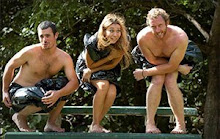
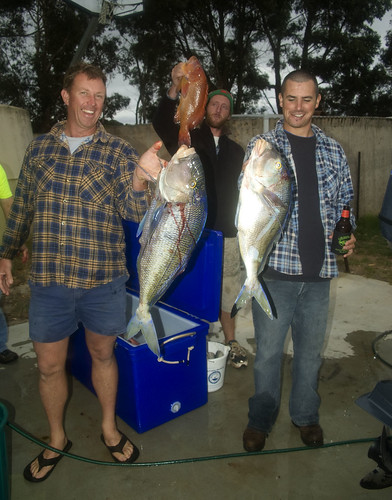
The happy three with their catches of the day, notice Laury has the biggest smile Read a cheeky bit more!

Our two Death Filled Encounters with Whales - Beaching and Hunting

DSC_0911

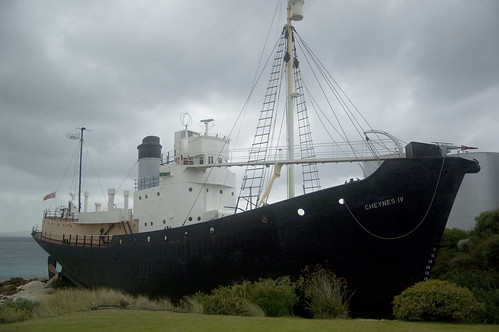
The Cheynes Whalechaser

'To see whales', this was always up there on our wish list for Aussie experiences. But I could never have guessed the way I would be first introduced to them would be so dissapointing and sad.

DSC_0951

Unfortunately, our first encounter with with whales wasn't exactly a happy affair, nor a real encounter. We were in Margaret River when we heard the news over the radio. More than 70 whales and dolphins had been stranded just down the coast at Hamelin Bay in a mass stranding. The survivors were to be moved to a new location and all the dead whales were to be moved out of the water to stop sharks coming inland to feast on the dead and even those still fighting for life.

DSC_0941

We decided to go and help try to save the remaining eleven that survived the initial stranding, driving as fast as we could given our strict 80km/h economising speed limit. Heading straight to the beach armed with towels, we thought about what kind of work we would probably have to do as a volunteer. But it wasn't to be. The road to the beach was blocked.

DSC_0961

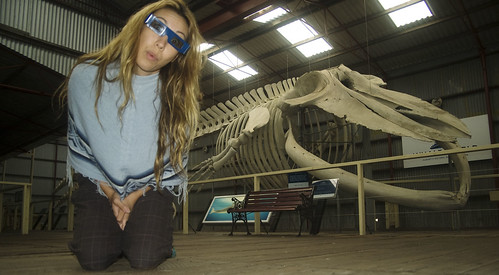
Given 3D glasses we watched the underwater world come to life during a film shown in one of their old whale oil storage tanks.

Informed by a steward that we could only volunteer our services if we had full length wet suits we were stopped in our tracks and told to turn around and go back. Dejected, feeling a little uselesss, and sad about hearing that more of the whales didn't make it, we returned to Margaret River with somewhat less of our precious fuel, all towels dry.

DSC_0948

Volunteers who did have the proper whale saving wear showed great perserverance saving those few that made it. The dead whales are fairly scratched up because they washed in over rocks and we watched news footage of volunteers crying over those that couldn't be saved. The dead whales were transported to a waste disposal area within the Shire of Augusta-Margaret River. The Shire provided resources and equipment for this process.

DSC_0942

Earlier in the year, 194 pilot whales and seven dolphins became stranded on a sandbar in Tasmania and only 54 whales and five dolphins were able to be saved. In January, 45 sperm whales died after becoming beached on a different Tasmanian sandbar. The reasons behind these mass strandings are still a mystery. It was sad that this happened - we are still yet to see a live whale.

DSC_0928

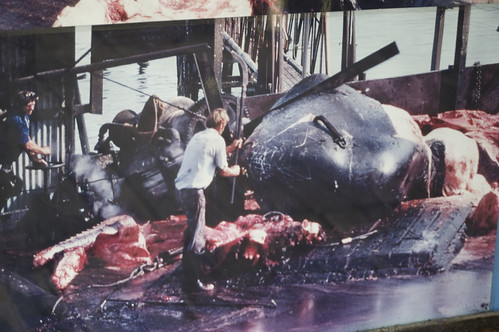
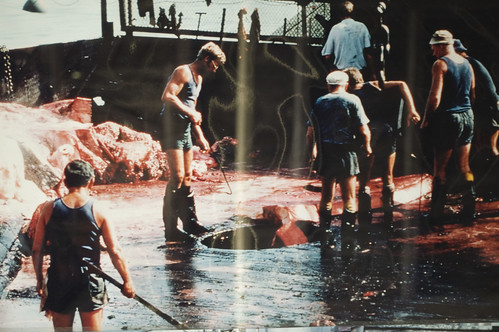
Along with mass beaching in the area effecting whale numbers, the whales around here were once hunted to near extinction. Albany was once the home of whaling and sealing in Australia, the first recognized industry in the young country in those days. Gradually, from the beginning of the 1800s the local whaling ventures were joined in the seas around Albany by American, French and British whaling ships, with the Norwagians joining in later too to chase firstly the Southern Right, then the Humpback and Sperm whales, and it continued until 1978, when legal changes made the operation untenable.


DSC_0918

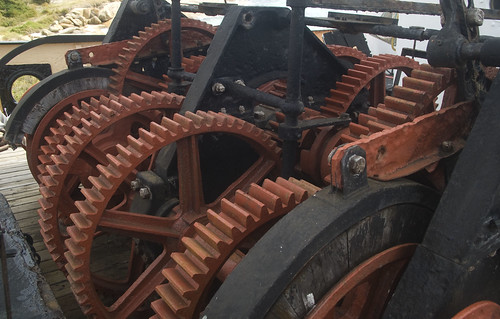
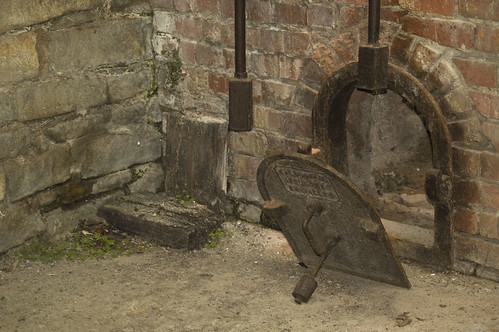
All the original equipment are on display at Whale World

We visited Whale World, Albany where we were donated with free entrance tickets to find out more. Although learning about whaling was hardly a sustitute for seeing live whales migrate along the Australian coast, it was a surprisingly enthralling experience.

Situated on the site of the old Cheynes Beach Whaling Station, located on the picturesque southern coast of King George Sound in Albany, Western Australia. The station ceased whaling operations and was decommissioned in 1978. Now an international tourist icon, it is also acknowledged as one of the State's most significant tourist attractions.

DSC_0923 DSC_0925

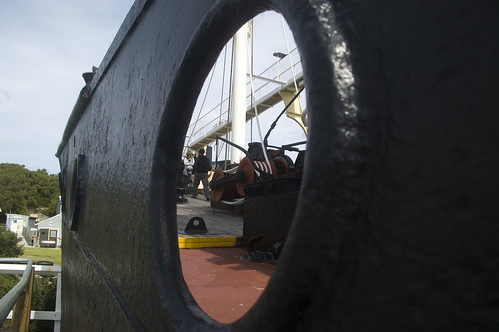
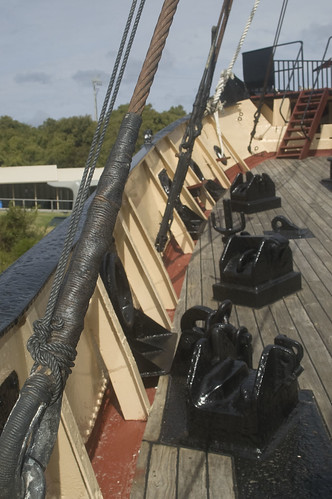
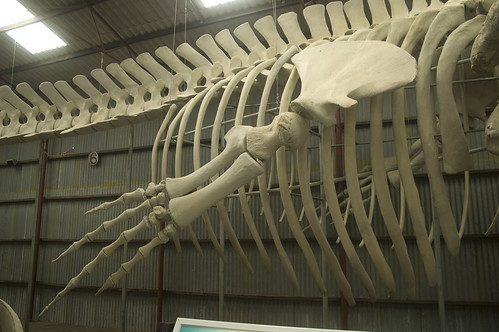
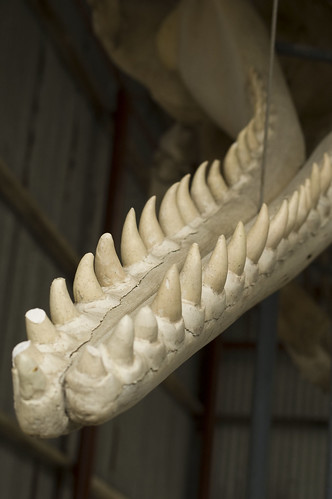
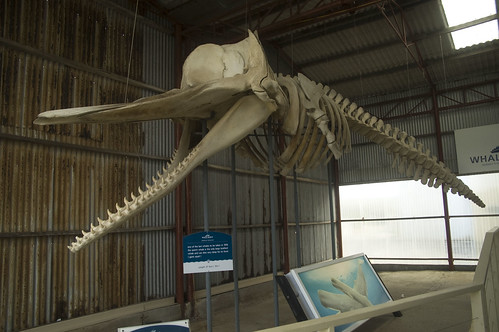
This old whaling station turned whaling museum with help from the Lottery Foundation was gave us a great insight into the whaling trade. With an actual whaling ship beached on the shores open to the public, along with exhibitions show casing all aspects of the trade, from the flensing deck where the whales were cut up to enormous full skeletons where you can feel their grand size.

DSC_0932

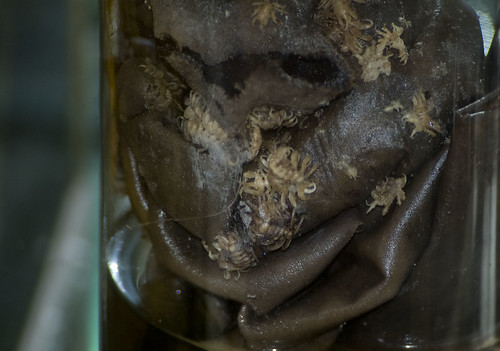
Parasites plague whale skins, here are a few that can be seen in pickling jars

DSC_0919

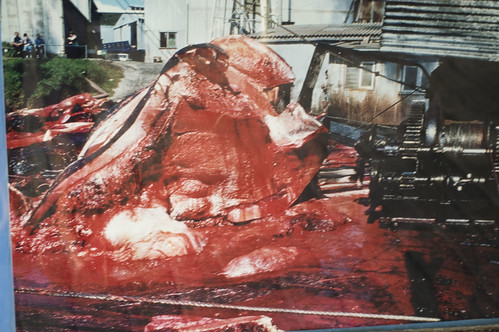
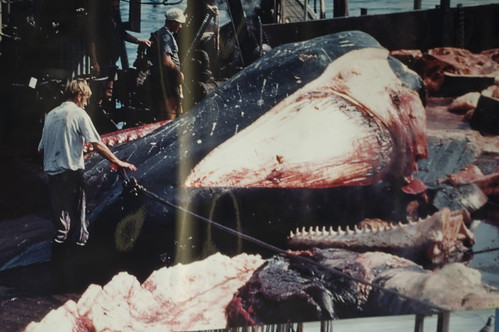
Informative photos of the whaling trade found at Whale World

DSC_0920

DSC_0921

DSC_0922
Read a cheeky bit more!
Spectacular Jumping Crocodiles, Adelaide River, Darwin

DSC_8578

Peter, owner of a Cruise company calls us during our stay in Darwin and on hearing that we were trapped there due to the floods said that we must come and see what the Adelaide river has to offer.

DSC_8600

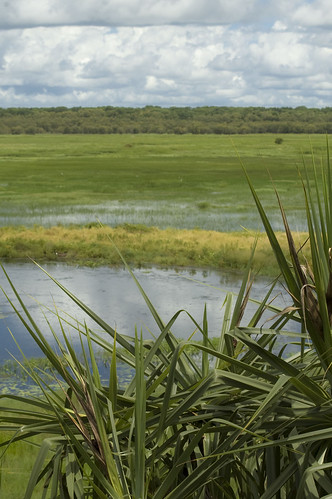
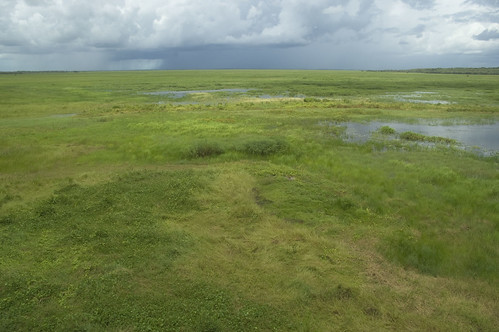
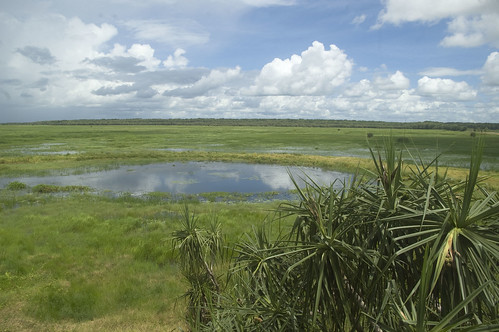
We board the pick up bus in Darwin City Centre and we head towards Jabiru, our friendly, informative driver talks away, tells us interesting tit bits of information about the things we can see to the left or the right, answering all questions thrown at him with confidence and ease. The land surrounding Darwin is lush and green, and with the wet season also comes the vast array fauna and flora, in fact, we are told that this area of the Northern Territory has more bio diversity than that of the Serengeti Plains. To see this much green and water around, especially after sleeping on the red earth of central Australia was astonishing. However, the most astonishing fact, and one which further explains our being trapped by the rains is that at one point over the last few years one part of the Adelaide river, normally 92m across expanded to engulf all surrounding land during ‘The Wet’ as it swelled to an incredible 14kms! The brief stop to the visitors centre gave us impressive aerial views of the land bellow us and offered explanations of some of the roles of the small creatures which help maintain the balance of the ecosystem.
DSC_8582

DSC_8602

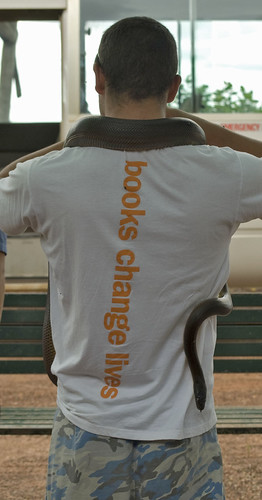
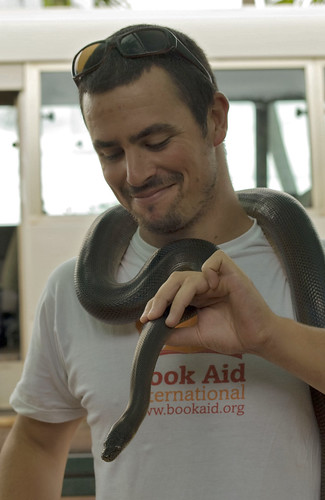
On arriving at the jetty we were greeted with a snake around our shoulders much like an Aussie version of a flower lei and we shook hands with our skipper Peter himself, who promised us something a little different.

DSC_8604

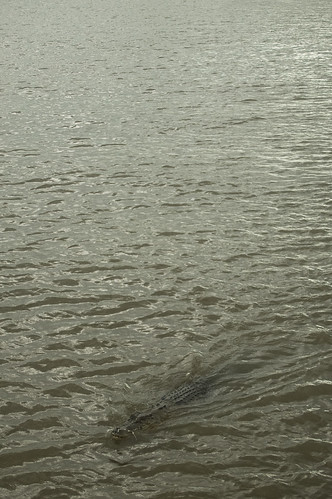
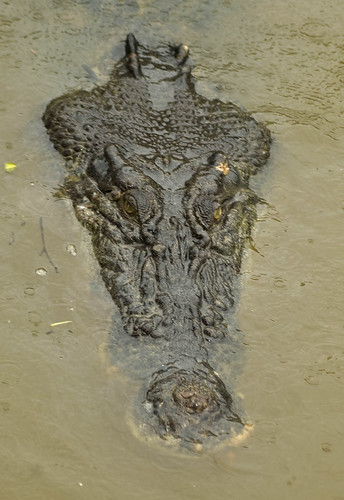
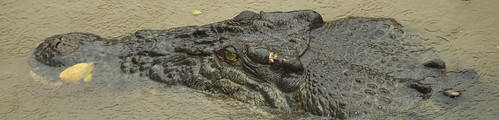
Very shortly after we set off Peter assures us that there is a croc of at least fours meters in length coming toward the boat. All the passengers quickly move to the right side of the boat, cameras at the ready, all pointing in different directions as we make wild guesses as to which ripple in the water is the croc. Eventually he has to verbally guide us to the exact location of the camouflaged killer so that our untrained eyes could focus in.

DSC_8610

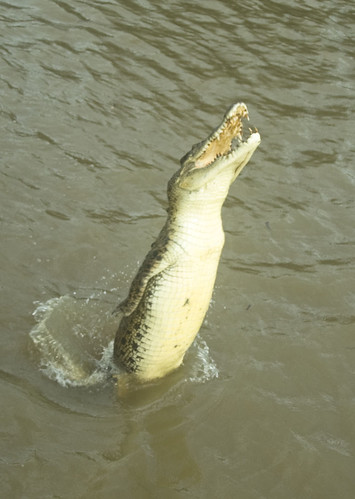
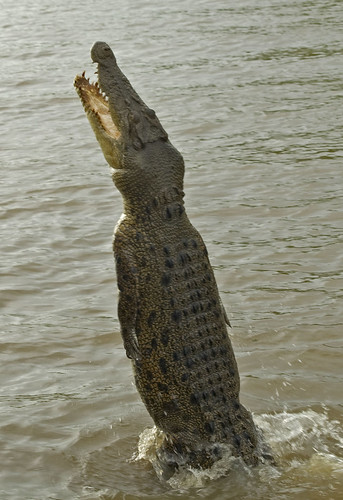
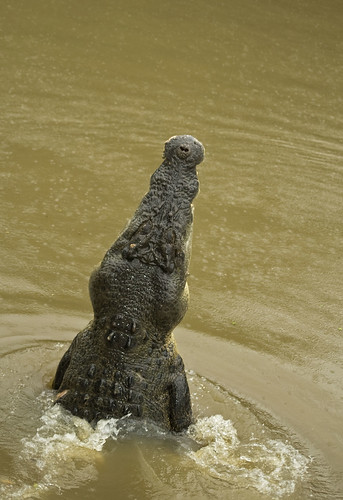
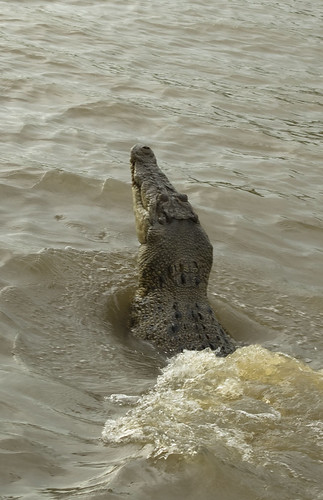
I’m leaning over the side of the boat; waiting for the shot I’ve been promised. Zoom lense ready, I’m waiting for the slight rippling of the water to give away the start of the jump. Suddenly he makes a giant, muscular, adrenalin fuelled jump. My zoom lense shows the teeth fast coming nearer to my face, he is really big.
So startled by the swift movement I jump back, recoiling from the danger, I'm too surprised to react to the impressiveness of the beast in a professional manner and completely miss the shot.
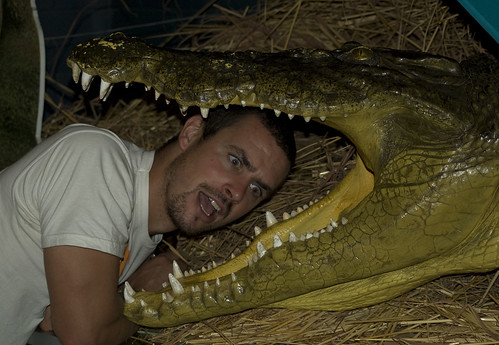
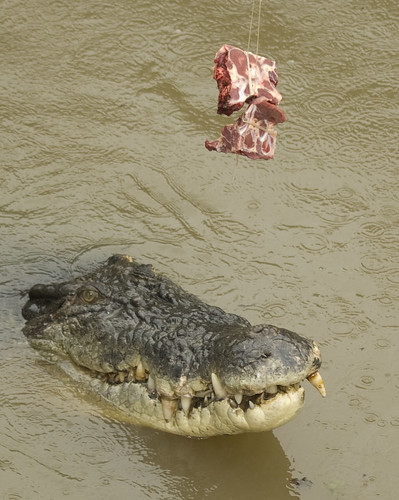
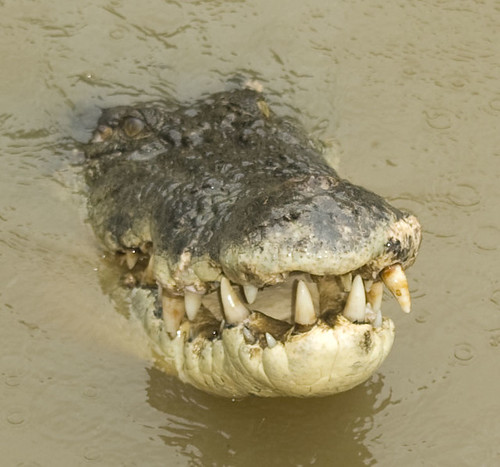
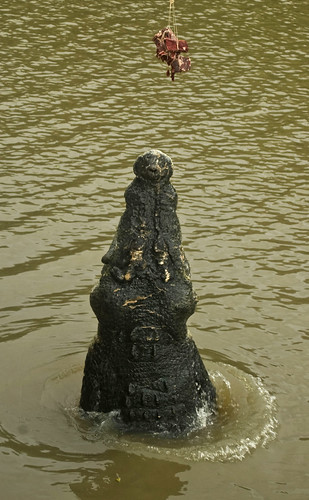
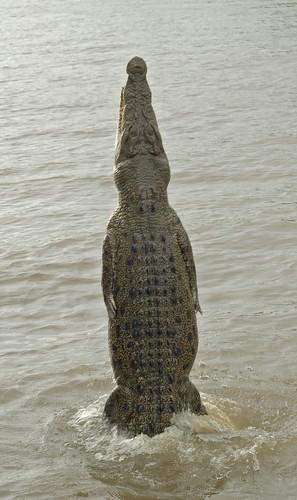
Crooked, yellow, aging teeth amongst the fresh new nashers squeezed into a powerful jaw come closer and closer and closer as the prehistoric throw back lunges out of the muddy waters, opened mouthed, toward the crowd looking over the side of the boat. Up, up, up he jumps until two thirds of his tail is completely out of the water. Nothing had quite prepared me for the sight of the crocodile lunging so far out of the water bearing all its teeth. With my eyes only just back in their sockets. My exact words of exclamation were uncouth and unrepeatable so I will lie and say I said something along the lines of “Holy Cannoli!” followed by “Wow, he sure is a big old chap, how simply awe inspiring”. He snaps at the meat on a stick which has roused him but at the very last moment it is teased out of his reach and he disappears back into the water. The lure is lowered back within reach again and he makes another spectacular jump for it, this time clamping down on the bait and swallowing it whole after landing with a splash back into the depths, camouflaged once more.

DSC_8620

DSC_8624

DSC_8628

DSC_8630

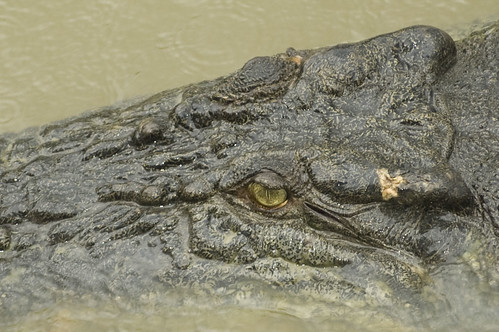
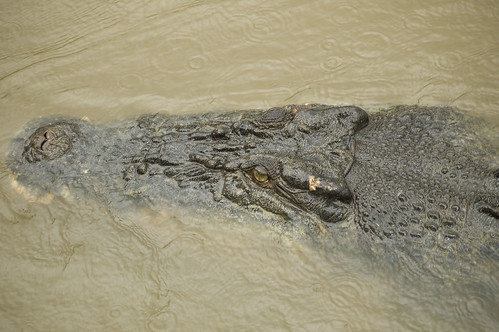
The huge specimens we see today have recently been fighting one another, fresh scars over old ones leave white marks on their heads, apparently a six meter crocodile named ‘Hannibal the Cannibal’, who has recently moved into the area has been throwing his weight around and showing the other crocs who’s boss. Powerful, age old monsters, fierce and ruthless, persistently scout the Adelaide River, learning the habits of those who venture into the waters, either to moor a boat, empty crab pots or to swim. But why would anyone with a decent sense of life saving fear go anywhere near the river? It is crawling with these man eaters. Ruthless, without sympathy or remorse they guard their territory, patrolling the turf. If you are in, or nearby the water, and they are hungry, you haven’t got a chance. You can’t appeal to their better nature and whilst Croc Dundee fans would like to believe it is possible to talk your way out of becoming dinner, the reality is that it is the croc you don’t see that will get you and you won’t ever see it’s face to get a chance to stab it in the nose with your hunting knife. We’ve seen pictures of tourist in small boats being stalked by crocs and listened to countless tales of crocs from almost everyone we meet. But, the truth is you don’t meet people with croc scars, and after seeing the big ones up close and personal, I can clearly see how it would be impossible to survive to tell the tale.

DSC_8656

DSC_8662

The news is saturated with croc stories, one day a photo of a blurred croc in the distance graces the front page, the next, descriptions of a sandal being found on the banks near where the victim was last seen, or a hat found floating down stream. Croc attacks are not as uncommon as you would hope in the Northern Territory. Since our time in Oz we have followed the reporting of a man, a father and husband, who had been taken by a crocodile whilst he was checking his crab pots. He should have known better than to put his pots out in the same place three days in a row, say some, whilst others say kill the croc. An debate on the local radio stations about what should be done causes an outcry in the outback communities who believe things should be left as they are and people should stop interfering with the natural food chain.

DSC_8672

DSC_8673

What is so misleading about the media use of the croc sightings is that they print stories of crocs as if they are a rare occurrence. The truth is that they are everywhere, Phil and I couldn’t believe how many we saw and we know for sure there was a whole bunch more hiding in the waters that were not visible to us. A croc picture on the front page sells more papers, in fact, we find out that they tend to double or triple their sales whenever our prehistoric predators grace the front cover.

DSC_8676

DSC_8677

DSC_8696

DSC_8680

Croc Facts
They can leap so that 2/3rds of their tale is out of the water
They grow new teeth as and when they are needed
They swallow stones to aid with digestion and for balance
They bask in the sun with their mouths open so their brains don’t over heat.
If croc eggs are stored below 30degrees they usually become female, if stored below they become male.
They can become really big!!!

DSC_8682

DSC_8683


DSC_8695 DSC_8646

DSC_8697

DSC_8701

DSC_8669

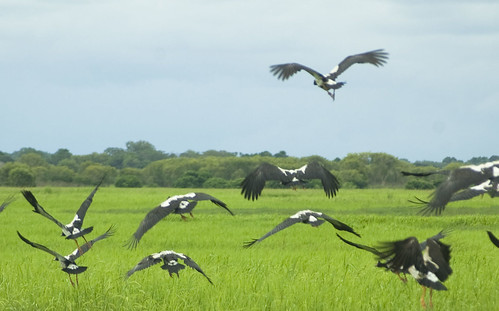
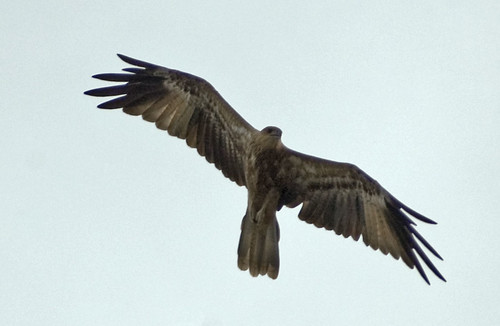
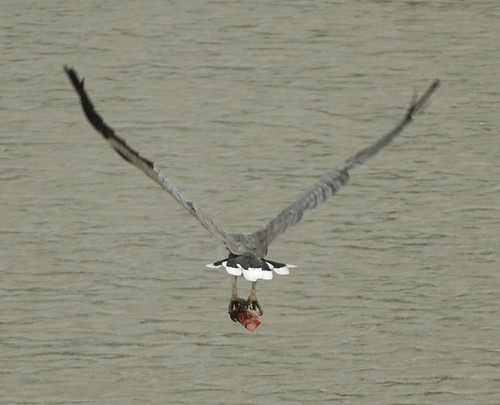
Birds of prey steal tit bits of meat as it is thrown in for the crocs


Phil and I were so thoroughly impressed with what we saw on this trip, it was something we were not expecting to ever see in the wild.

For bookings and information visit Spectacular Jumping Crocodile Cruises

DSC_8605
Read a cheeky bit more!